
The Difference Between Corporate and Commercial Photography
In today’s visually driven business world, photography plays a critical role in how a brand is perceived. Whether you’re building a company website, preparing marketing materials, or hosting a corporate event, high-quality visuals are essential. But when sourcing a photographer, many clients often confuse corporate photography with commercial photography — terms that are often used interchangeably, but serve very different purposes.
In this article, we’ll break down the key differences between corporate and commercial photography, when to use each, and how the right choice can elevate your brand image.
What Is Corporate Photography?
Corporate photography refers to imagery created specifically for a company’s internal and external communication needs. The goal here is to represent the people, culture, and day-to-day activities of a business in a polished, professional manner.
Typical use cases include:
- Headshots and team portraits
- Office environment shots
- Behind-the-scenes work processes
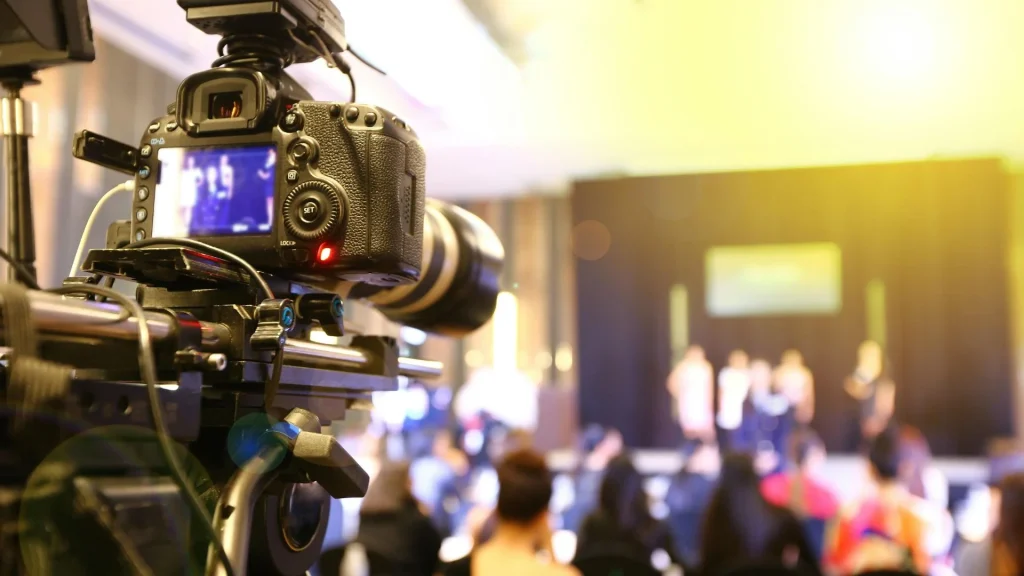
- Company events and conferences
- Internal presentations and company reports
- LinkedIn or press release imagery
The key focus is authenticity and professionalism. A great corporate photographer knows how to capture your team in action while reflecting your company’s tone and values.
What Is Commercial Photography?
Commercial photography, on the other hand, is created with a marketing or advertising objective in mind. Commercial photography is all about creating visuals that connect with your target audience and inspire action — whether that’s buying a product, booking a service, or engaging with your brand.
Commercial photography is often used in:
- Product catalogs and e-commerce sites
- Advertisements (print and digital)
- Brochures and billboards
- Lifestyle brand imagery
- Fashion campaigns
- Restaurant menus and food packaging
Unlike corporate photography, which may prioritize realism, commercial images are typically stylized, conceptual, and emotionally driven — created to entice, influence, or persuade.
Key Differences Between Corporate and Commercial Photography
The core differences between corporate and commercial photography lie in their purpose, subjects, tone, audience, and usage. Corporate photography is primarily used for brand storytelling, internal communications, and showcasing professionalism. It typically features employees, office spaces, real work scenarios, and company events.
The tone is often natural and authentic, with a documentary-style approach that reflects the genuine culture of the organization. Its audience includes internal teams, stakeholders, and B2B partners, and the imagery is usually used across reports, LinkedIn profiles, company websites, and event recaps.
In contrast, commercial photography is driven by marketing and promotional objectives, aiming to sell a product, service, or idea. It often features products, professional models, and branded setups in a highly polished and stylized manner. The target audience is the general public or specific customer segments, and the images are widely used in advertising campaigns, digital banners, product launches, and other promotional materials.
While both types of photography are essential to a company’s visual strategy, they serve very different functions and are crafted with distinct end goals in mind.
When to Choose Corporate Photography
If you’re planning a corporate event, launching a new website, or updating your team profiles, corporate photography is your best bet. These visuals humanize your brand and help foster trust with clients and stakeholders.
At SPF Corporate, we specialize in capturing professional headshots, executive portraits, and live event photography that reflect your team’s personality and professionalism. We also offer on-site photography solutions that minimize disruption while delivering high-quality, consistent visuals.
When You Need Commercial Photography
Launching a new product line, creating a seasonal marketing campaign, or building your ad creatives? This is where commercial photography comes in.
You’ll likely want to work with a team that offers:
- Creative direction
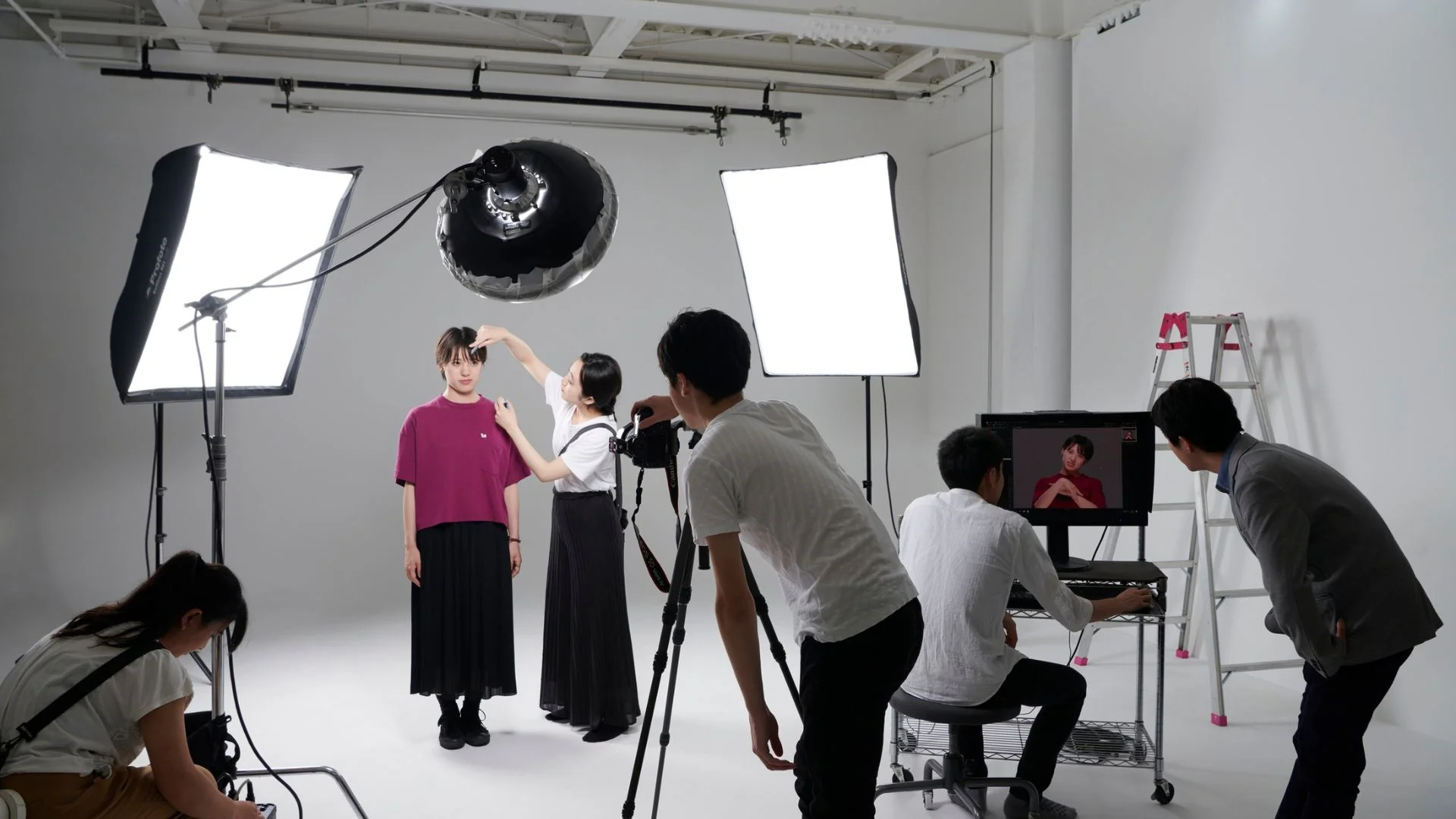
- Studio lighting and setups
- Professional models or actors
- Post-production retouching
- Licensing and distribution rights
This type of photography typically involves more planning, concept development, and pre-visualization to ensure the final result aligns with your marketing goals. It’s not uncommon to see collaborations with ad agencies during these shoots.
The Grey Area: Where the Lines Blur
In some cases, you might find yourself needing a bit of both. For example:
- A corporate video promoting your services (which includes internal messaging but also markets your brand)
- A branding shoot where employee portraits are styled to double as marketing visuals
- A conference where keynote shots will be used in future promotional campaigns
In such scenarios, it’s best to work with a team like SPF Corporate that understands the intent behind the imagery and can deliver versatile content.
Tips for Choosing the Right Photographer
When sourcing a photographer or agency, consider the following:
- Portfolio & Experience – Review past work and make sure it aligns with your goals.
- Understanding of Branding – Your photographer should have a grasp of visual storytelling and brand identity.
- Communication – Clear briefing and collaboration are essential, especially for commercial shoots.
- Turnaround Time – Ask about editing timelines and delivery formats.
- Licensing – Understand usage rights for both corporate and commercial images.
Final Thoughts
Whether you’re showcasing your team’s culture or selling a flagship product, the type of photography you invest in makes a significant difference. Corporate photography helps build trust and reinforce brand professionalism, while commercial photography is designed to drive attention, emotion, and conversion.
Both are powerful tools — but used in the right context, they serve different strategic functions.
If you’re unsure what type of photography your business needs, get in touch with SPF Corporate for a consultation. Our experienced team will help tailor a visual strategy that aligns with your goals and delivers results.

