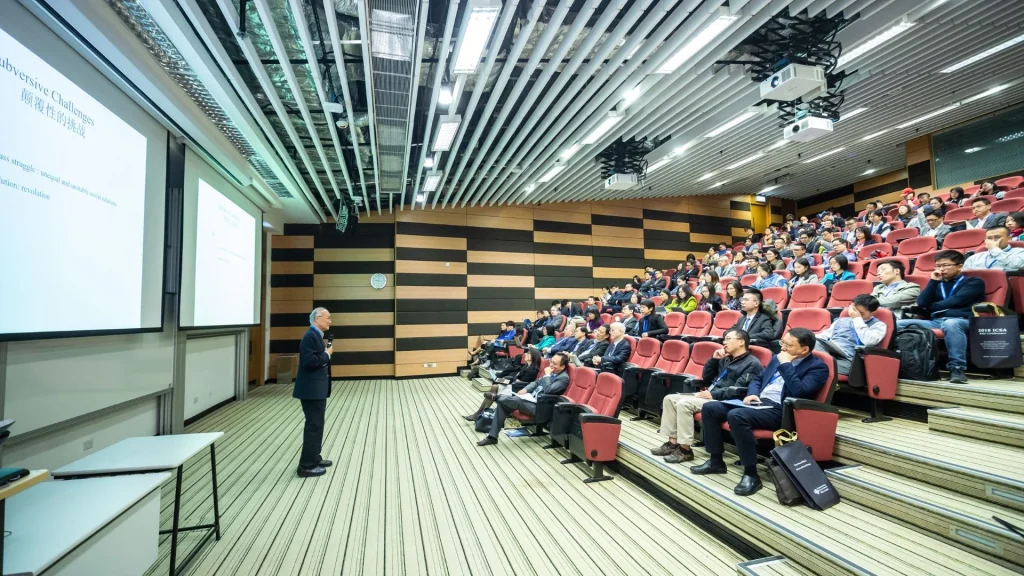

Ultimate Guide to Conference Event Photography
Conference event photography involves much more than merely aiming a camera and shooting. It’s an art and a science that requires preparation, technical skill, awareness of the event’s flow, and a clear understanding of the client’s objectives. Whether you are an aspiring photographer or a marketing team looking to hire a professional, this ultimate guide to conference event photography will provide you with valuable insights, actionable tips, and essential best practices to capture compelling, high-quality images that tell a story.
Why Conference Photography Matters
In the age of digital content and social media, high-quality event photos serve multiple purposes. From real-time engagement on social platforms to future promotional material, professional conference photography:
- Captures the brand experience
- Documents key moments and speakers
- Provides shareable content for attendees and organizers
- Adds credibility and professionalism to marketing efforts
- Supports post-event blogs, press releases, and reports
Because of this, having an experienced photographer with a strategic approach is critical.
Pre-Event Preparation: Setting the Stage
1. Understand the Event Scope
Start by gaining a clear understanding of the conference’s purpose, audience, and overall structure. Ask questions like:
- What is the theme of the event?
- Who are the key speakers and VIPs?
- What is the expected attendance?
- Are there specific moments that must be captured (e.g., keynote addresses, panel discussions, networking sessions)?
By getting a clear understanding of the event’s flow and expectations, a photographer can better anticipate key moments, choose the best vantage points, and approach the day with purpose and confidence.
2. Scout the Venue
Visit the venue before the event if possible. Analyze:
- Lighting conditions in different rooms
- Stage layout and backdrop
- Seating arrangements
- Opportunities for wide-angle and candid shots
If visiting beforehand isn’t possible, request a floor plan or conduct a virtual walkthrough.
3. Create a Shot List
Collaborate with the client to carefully create a prioritized shot list, such as:
- Speaker portraits
- Audience reactions
- Networking interactions
- Panel discussions
- Exhibitor booths
- Branded signage and sponsor logos
This helps ensure no crucial moment is missed and aligns expectations on deliverables.
Must-Have Equipment for Conference Photography
1. Camera and Lenses
- A full-frame DSLR or mirrorless camera is recommended for low-light performance.
Carry a mix of lenses:
- 24-70mm f/2.8 for versatility
- 70-200mm f/2.8 for close-up speaker shots from a distance
- Wide-angle lens for room shots or large group images
2. Flashes and Lighting
- Use an external flash with a diffuser if needed, especially in dimly lit areas.
- Avoid using direct flash during presentations unless absolutely necessary, as it can distract speakers and attendees.
3. Backup Gear
- Extra batteries and memory cards
- A second camera body (in case of failure)
- Lens cloths and cleaning kits

During the Event: Tips for Capturing the Perfect Shots
1. Arrive Early
Being early helps you set up, test your equipment, and get acclimated with the venue environment. It’s also a good time to take shots of the setup and pre-event atmosphere.
2. Be Discreet and Respectful
Avoid disrupting the flow of the event. Move quietly, dress professionally, and respect the space. Capture candid moments without drawing attention.
3. Focus on Storytelling
Effective conference photography goes beyond taking photos, it captures and conveys the event’s narrative. Look for emotional expressions, interactive discussions, laughter during networking, or intense focus during presentations.
4. Capture Branding and Sponsors
Organizers and sponsors often invest in event signage, backdrops, and product booths. Make sure to include these in your photos as they provide value for post-event marketing.
5. Diversity in Shots
Vary your shots throughout the day:
- Wide-angle images to set the scene
- Medium shots of groups or panels
- Close-ups for emotional and detailed moments
This variety makes for a more dynamic and usable final photo set.
Post-Event Workflow: Polishing Your Portfolio
1. Backup Immediately
After the event, back up all photos to multiple storage devices or cloud platforms. Losing valuable photos is always a possibility, so having multiple backups is essential to keep your work safe.
2. Cull and Select Thoughtfully
Avoid overwhelming your client with hundreds of similar shots. Carefully choose the best images that not only meet the planned shot list but also offer visual impact.
3. Edit Professionally
Basic editing includes:
- Color correction and white balance adjustments
- Cropping for better composition
- Noise reduction for low-light shots
- Sharpening details
Avoid heavy filters — conference photos should look natural and professional.
4. Deliver with Care
Use tools like Pixieset, SmugMug, or Google Drive to deliver the final photos in an organized and user-friendly format. Include both high-resolution and web-optimized versions.
Bonus Tips for Conference Photographers
- Network with event staff – They can give you tips on where and when to be for the best shots.
- Capture testimonials – If agreed upon, take quick attendee or speaker testimonials to add value.
- Stay hydrated and plan breaks – Conferences can be long, so take care of yourself to stay alert and creative.
- Follow up with the client – Ask for feedback, and if permitted, request to use select photos for your portfolio.
Final Thoughts
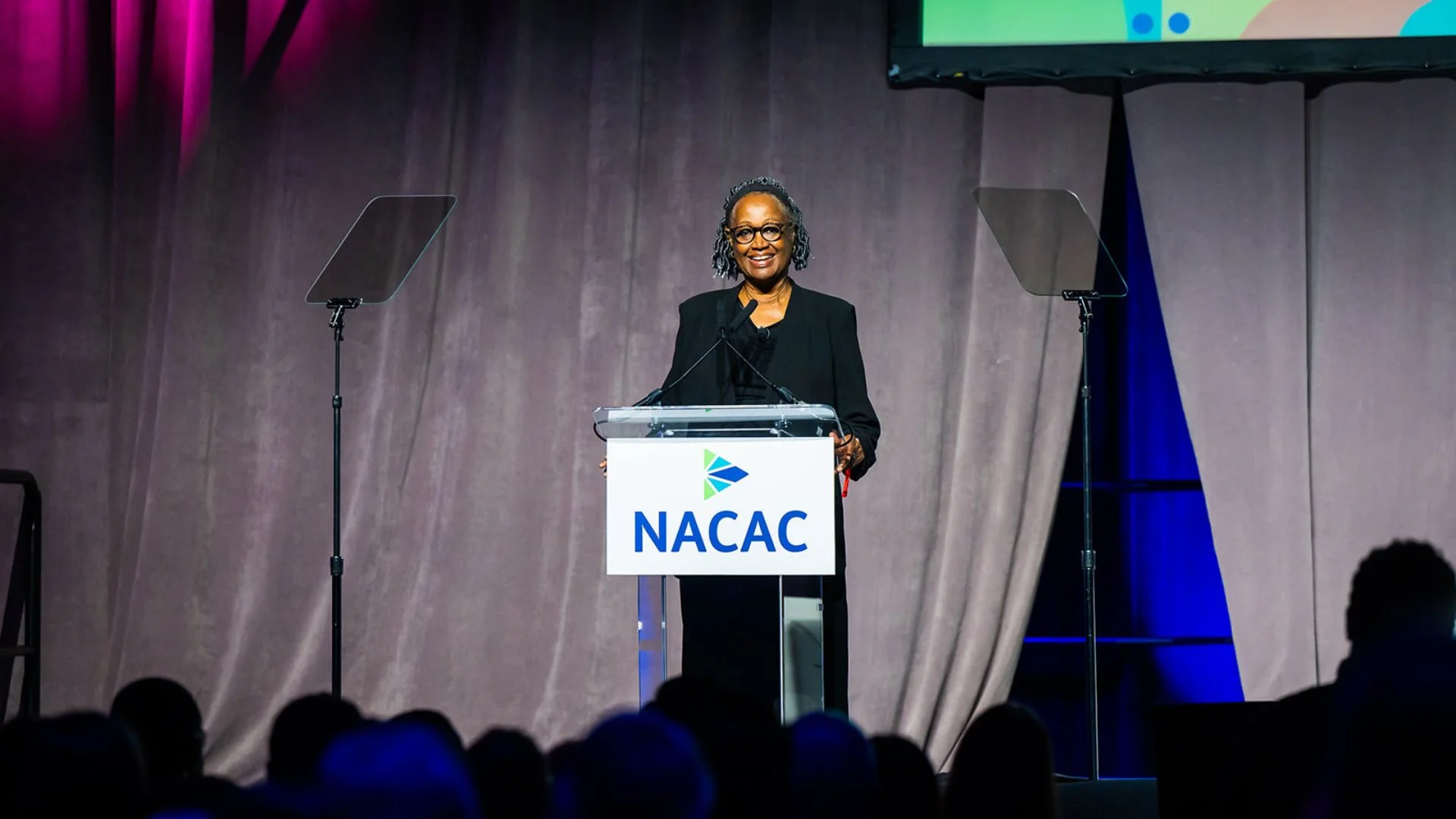
Conference event photography is both an art and a responsibility. It captures the essence of your brand, the energy of the event, and the impact of the people involved. Whether you’re a photographer planning your next shoot or a business looking to document your conference in the best possible light, following these best practices ensures you get impactful, professional and high-quality results that extend the life and value of your event well beyond its closing remarks.
Capture the Moments That Matter with SPF Corporate
Don’t let your next conference go undocumented. Trust SPF Corporate to deliver stunning, professional conference photography that tells the story of your event with clarity, emotion, and impact. Book SPF Corporate today — where every frame means business.